

New to KSH TAX? Enjoy 50% off for 3 months. T&Cs apply      Claim Offer

Category: Tax

images
images
  • Tax
  • November 19, 2024

10 Legal Tax Reduction Strategies You Should Know

Are you looking to keep more of your hard-earned money while staying compliant with the Australian Taxation Office? Legal tax reduction strategies can make a significant difference in your financial well-being. At KSH Tax Services, we understand the complexities of Australian tax law and help our clients navigate the best ways to minimize their tax obligations legally. A well-planned tax strategy can lead to: Increased savings for future investments Better cash flow management Enhanced retirement planning Improved financial security This comprehensive guide explores proven methods to decrease your taxable income within the boundaries of Australian tax regulations. From salary sacrificing to strategic deductions, we’ll uncover practical approaches that can help you achieve your financial goals while maintaining full compliance with tax laws. Understanding Taxable Income and Its Calculation Taxable income represents your total earnings minus eligible deductions during a financial year in Australia. This includes: Salary and wages Business income Investment returns Rental property income Capital gains The Australian Taxation Office (ATO) calculates your tax liability using this formula: Taxable Income = Assessable Income – Allowable Deductions Your assessable income encompasses all sources of income, while allowable deductions cover expenses directly related to earning that income. The ATO applies different tax rates to various income brackets, with higher earners paying progressively more tax. Understanding these calculations helps you: Identify potential deductions Plan your finances effectively Make informed decisions about investments Structure your income strategically Time your expenses for maximum tax benefits A clear grasp of these concepts forms the foundation for implementing effective tax reduction strategies that align with ATO regulations. 1. Salary Sacrificing Salary sacrificing is one of the most effective tax minimization strategies available to Australian employees. This arrangement allows you to redirect a portion of your pre-tax salary towards specific benefits, reducing your taxable income. Common salary sacrifice options include: Additional superannuation contributions Work-related devices and equipment Car lease payments Mortgage or rent payments (for eligible employers) Health insurance premiums Let’s break down the practical benefits through an example: Sarah earns $85,000 annually and decides to salary sacrifice $10,000 into her superannuation. This reduces her taxable income to $75,000, potentially saving her $3,450 in tax (based on 2023-24 tax rates). The advantages extend beyond immediate tax savings: Superannuation Benefits: Contributions are taxed at just 15% instead of your marginal tax rate Increased Retirement Savings: Regular sacrificed amounts compound over time Reduced Medicare Levy: Lower taxable income can mean reduced Medicare Levy payments GST Savings: Some sacrificed items come with GST benefits To implement salary sacrificing, you’ll need to: Check your employer’s sacrifice policy Select eligible benefits that align with your needs Establish a formal agreement with your employer Monitor your contributions to stay within legal limits 2. Capital Gains Tax (CGT) Minimization Techniques Smart investors understand the power of strategic timing when managing Capital Gains Tax. The Australian tax system offers significant advantages for patient investors who hold their assets for longer periods. The 50% CGT Discount Hold assets for at least 12 months to qualify for a 50% reduction in capital gains tax Applicable to individuals and trusts Excludes companies and foreign residents Strategic Timing Tips Sell loss-making investments in the same financial year as profitable ones to offset gains Consider delaying asset sales until a lower-income year Review your investment portfolio before the end of the financial year Asset Categories Eligible for CGT Discount Investment properties Shares and managed funds Business assets Collectibles valued over $500 The CGT discount represents a powerful tool in your tax minimization arsenal. By carefully planning the timing of your asset sales and understanding the holding period requirements, you can significantly reduce your tax obligations on investment gains. 3. Strategic Claiming of Deductions The Australian tax system offers numerous deduction opportunities for individuals. Here’s what you can claim: Work-Related Deductions: Professional development courses Home office expenses Vehicle and travel costs Tools and equipment Uniforms and protective gear Phone and internet usage Investment-Related Deductions: Property management fees Interest on investment loans Depreciation on assets Building maintenance costs Insurance premiums Personal Deductions: Self-education expenses Income protection insurance Professional association fees Tax agent fees Bank account fees for investment accounts To maximize these deductions, follow these guidelines: Apportioning Rules: Calculate work-related percentages accurately Use logbooks for mixed-use assets Document private vs business usage Documentation Requirements: Keep receipts for purchases over $300 Maintain digital copies of all claims Record dates, amounts, and purposes Store documents for five years Timing Considerations: Claim in the correct financial year Pre-pay eligible expenses Track recurring payments The ATO scrutinizes claims closely, so ensure your deductions meet the three golden rules: they must be directly related to earning income, you must have records to prove it, and you can’t claim private expenses. 4. Leveraging Charitable Donations Making charitable donations allows you to support meaningful causes while enjoying tax benefits. The Australian Taxation Office (ATO) permits tax deductions for donations of $2 or more to registered Deductible Gift Recipients (DGRs). Eligible charitable organizations include: Registered health promotion charities Public benevolent institutions Environmental organizations Cultural organizations Public universities and research institutes Emergency relief funds To claim your charitable donations: Ensure the organization has DGR status Keep receipts or written records of your donations Claim the full amount in your tax return for the year you made the donation Pro tip: Many workplaces offer workplace giving programs where donations are deducted from your pre-tax salary, providing immediate tax benefits. The ATO maintains a searchable database of DGR organizations on their website, making it easy to verify an organization’s eligibility status before making your donation. Remember that gifts with material benefits, such as raffle tickets or charity dinner seats, are not tax-deductible – only genuine donations qualify for tax deductions. 5. Boosting Your Superannuation Contributions Making additional superannuation contributions is a powerful strategy to reduce your taxable income while building a robust retirement nest egg. The Australian tax system offers significant benefits for those who contribute beyond their employer’s mandatory 11% contribution. Benefits of Concessional Contributions: Contributions are taxed at just 15% instead

Learn More


  • Tax
  • September 5, 2024

Top 10 Ways to Minimize Your Taxable Income This Year

By understanding how to minimize taxable income in Australia, individuals and businesses can keep more of their hard-earned money. Strategic measures such as salary sacrificing, claiming deductions, and making tax-deductible donations can effectively minimize taxable income. At KSH Tax, we specialize in providing tailored advice on how to minimize taxable income. Our services focus on personalized strategies designed to decrease taxable income while remaining compliant with Australian tax regulations. Whether you are looking for ways to reduce your tax liability or seeking comprehensive tax savings strategies in Australia, KSH Tax is here to help you navigate the complexities of the tax system. 1. Salary Sacrificing Salary sacrificing is a strategy where you, as an employee, agree to redirect a portion of your pre-tax income towards certain benefits, such as superannuation. This approach allows you to reduce taxable income and potentially save on taxes. Benefits of Redirecting Pre-Tax Income Towards Superannuation Redirecting pre-tax income into your superannuation fund offers multiple advantages: Tax Savings: Contributions made through salary sacrifice are generally taxed at a lower rate (15%) compared to your marginal tax rate. Boost Retirement Savings: Increasing your superannuation contributions can significantly enhance your retirement nest egg. Examples of Benefits Eligible for Salary Sacrifice Several benefits can be included in a salary sacrifice arrangement: Superannuation Contributions Car Leases Electronic Devices (e.g., laptops, mobile phones) Childcare Fees Understanding how to effectively use salary sacrificing can be a game-changer in managing and reducing your taxable income. 2. Maintain Accurate Financial Records Keeping accurate financial records is essential for minimizing your taxable income. Proper documentation allows you to claim all eligible deductions and avoid penalties from the tax authorities. Importance of Precise Record Keeping Claim Deductions: Without accurate records, you may miss out on deductions you’re entitled to claim. This can result in a higher taxable income. Compliance: Ensuring you meet all tax obligations by maintaining detailed records helps you stay compliant with tax laws and regulations. Tools and Methods for Effective Record Keeping Digital Software: Utilize accounting software like QuickBooks or Xero for streamlined record keeping. Cloud Storage: Store receipts and documents in cloud services such as Google Drive or Dropbox for easy access and backup. Regular Updates: Consistently update your financial records to avoid last-minute scrambles during tax season. Maintaining meticulous financial records not only simplifies the process of filing taxes but also ensures you maximize every deduction available to you. 3. Claim All Deductions You’re Entitled To Tax deductions play a crucial role in helping reduce taxable income. Many taxpayers miss out on significant savings simply by overlooking eligible deductions. Commonly Overlooked Deductions Home Office Expenses: If you work from home, you can claim a portion of your utility bills, internet, and even depreciation on office furniture. Self-Education Expenses: Courses that directly relate to your current job can be deductible. Types of Work-Related Expenses Travel Costs: Expenses incurred for business-related travel, including accommodation and meals, can be claimed. Uniforms and Protective Clothing: Cost of uniforms or protective gear required for your job is deductible. Tools and Equipment: Items such as laptops, phones, or tools necessary for work are eligible for claims. By taking advantage of these deductions, you not only save more but also comply with tax regulations efficiently. 4. Make Use of Tax-Deductible Donations Charitable donations are a powerful way to achieve tax relief in Australia while supporting causes you care about. By donating to eligible charities, you can reduce your taxable income and save tax in Australia. To benefit from these tax-deductible donations, ensure the charity is registered with the Australian Tax Office (ATO). Only donations to organizations with Deductible Gift Recipient (DGR) status qualify for tax deductions. You can verify a charity’s DGR status through the ATO website or directly with the organization. When making a donation, keep records such as receipts and acknowledgment letters. These documents are essential for claiming your deduction during tax time. Key Points: Tax Benefits: Charitable donations can lower your taxable income. Eligibility Criteria: Ensure the charity has DGR status for your donation to be tax-deductible. Record Keeping: Maintain accurate records of all donations to support your claims. By strategically using charitable donations, you not only contribute positively to society but also find effective ways on how to pay less tax in Australia. 5. Consider a Mortgage Offset Account to Reduce Interest Payable and Tax Liability A mortgage offset account is a powerful tool that can help you reduce both your interest payable and taxable income. This type of account is linked to your mortgage, and the balance in the offset account is subtracted from your mortgage principal when calculating interest. How It Works: Offset Calculation: If you have a $500,000 mortgage and $50,000 in your offset account, interest is only calculated on $450,000. Interest Savings: The reduced interest means more of your repayments go towards paying down the principal. Tax Benefits: The interest saved is not considered taxable income, providing an indirect way to reduce tax on income. Benefits: Reduce Interest Payable: By lowering the amount on which interest is calculated, you save money over the life of your loan. Lower Taxable Income: Savings from reduced interest payments are non-taxable, helping to reduce income tax in Australia. By leveraging this strategy, you can efficiently manage how to reduce tax in Australia while also achieving significant savings on your mortgage. 6. Explore Concessional Super Contributions as a Strategy to Lower Overall Tax Liability Concessional super contributions are pre-tax contributions made to your superannuation fund and can be a powerful way to reduce taxable income in Australia. Types of Contributions: Concessional Contributions: These include employer contributions (like the Superannuation Guarantee) and salary-sacrificed amounts. Non-Concessional Contributions: Post-tax contributions that do not receive a tax deduction. Key Differences: Tax Treatment: Concessional contributions are taxed at 15% within the fund, typically lower than most personal income tax rates. Non-concessional contributions, on the other hand, come from after-tax income but are not taxed within the fund. Contribution Limits: The annual cap for concessional contributions is $27,500. Exceeding this

Learn More

Top Working From Home Tax Deductions to Save You Money

Wondering about working from home tax deductions in Australia? You’re not alone! With remote work becoming the new norm, it’s crucial to know what you can claim. From office supplies to internet bills, there’s a whole world of potential deductions waiting for you. In this article, we’ll break down the eligibility criteria, explain the revised fixed rate method (spoiler: it’s 67 cents per hour!), and even tackle the tricky world of home office depreciation. Eligibility Criteria for Home Office Deductions To claim working from home tax deductions, you must meet certain eligibility criteria set by the Australian Taxation Office (ATO). Here are the key requirements: Regular Work From Home Requirements You can only claim deductions if you are working from home to fulfill your employment duties, not just for carrying out minimal tasks like occasionally checking emails or taking calls. The work you perform from home should be a substantial part of your overall job responsibilities. Additional Expenses Incurred To be eligible for deductions, you must incur additional running expenses as a direct result of working from home. These expenses can include increased utility bills (electricity, gas, internet, phone), stationery costs, and the depreciation of home office equipment or furniture. Adequate Record-Keeping Maintaining proper records is crucial for claiming home office deductions. You need to keep records that substantiate the expenses you incurred while working from home. These records can be in various forms, such as timesheets, logs, diaries, or bills and receipts for the expenses. The ATO may require you to provide these records as proof of your eligibility for the deductions claimed. Failure to maintain adequate records can result in your claims being disallowed or penalties being imposed. The Revised Fixed Rate Method Explained 67 Cents Per Hour Rule You can claim a deduction of 67 cents for each hour you work from home during the relevant income year. This fixed rate covers the additional running expenses you incur, such as: Home and mobile internet or data expenses Mobile and home phone usage expenses Electricity and gas (energy expenses) for heating, cooling, and lighting Stationery and computer consumables like printer ink and paper Expenses Covered by the Fixed Rate The 67 cents per hour rate includes the total deductible expenses for the additional running expenses mentioned above. If you’re using this method, you cannot claim a separate deduction for these expenses. However, you can claim a separate deduction for: The work-related use of technology and office furniture like chairs, desks, computers, and bookshelves. These are generally depreciating assets that decline in value over time. Repairs and maintenance of these depreciating assets. If the item costs $300 or less and you use it mainly for work-related purposes, you can claim an immediate deduction for the cost in the year you buy it. This may include items such as keyboards, computer mice, power boards, desk lamps, and chargers. For depreciating assets that cost more than $300 or form part of a set costing more than $300, you can claim a deduction for the decline in value over the effective life of the item. You can also choose to work out the decline in value of low-cost assets and low-value assets with a cost or opening adjustable value of less than $1,000 through a low-value pool, using a diminishing value rate. If you use your depreciating assets for both work and private purposes, you need to apportion your decline in value deduction and claim only the work-related portion as a deduction. Claiming Depreciation on Home Office Assets You can claim deductions for the decline in value of depreciating assets used for work purposes, such as office furniture and equipment. The deduction you can claim depends on the cost of the asset. Items Under $300 If the cost of the depreciating asset is $300 or less, you may be eligible for an immediate deduction. This means you can claim the full purchase price as a deduction in the year you buy the item. However, there are a few conditions to meet: You must use the asset primarily (more than 50% of the time) for work-related purposes. The asset cannot be part of a set that costs more than $300 in total. The asset cannot be one of multiple identical or substantially identical assets that cost more than $300 collectively. Examples of items under $300 that may qualify for an immediate deduction include keyboards, computer mice, power boards, desk lamps, and chargers. If you use the asset for both work and personal purposes, you need to apportion the deduction and claim only the work-related portion of the cost. Depreciating Larger Purchases For depreciating assets that cost more than $300, or if they form part of a set costing more than $300, you cannot claim an immediate deduction. Instead, you can claim a deduction for the decline in value over the asset’s effective life. Examples of such assets include: Office furniture like desks, chairs, and bookshelves Computers, laptops, and related accessories Office equipment like printers, scanners, and shredders To claim the deduction, you need to calculate the asset’s decline in value using an appropriate method, such as the diminishing value method or the prime cost method. The deduction is claimed as “other work-related expenses” on your tax return. If you use the asset for both work and personal purposes, you must apportion the deduction and claim only the work-related portion of the decline in value. Remember to keep records of your expenses and the work-related use of the assets to substantiate your claims. Occupancy Expenses: When Can You Claim Them? Home as Principal Place of Business You can claim a deduction for occupancy expenses, such as mortgage interest, rent, council rates, land taxes, and house insurance premiums, if you operate your business from home and it’s your principal place of business. However, there are specific criteria you must meet: Your home office must be a dedicated space set aside exclusively for business purposes. The area should not be readily adaptable for private use,

Learn More

Can You Claim Medical Expenses on Tax? All You Need to Know

Can you claim medical expenses on tax in Australia? Well, the short answer is: it’s complicated. The rules have changed recently, and it’s not as straightforward as it used to be. Don’t worry, though – we’ve got you covered. In this post, we’ll break down what you can and can’t claim, especially if you’re in the healthcare field. We’ll also chat about when it might be worth calling in a tax pro to help you navigate these tricky waters. Understanding Medical Expense Tax Deductions Historical Context The medical expenses tax offset was available from the 2015–16 to 2018–19 income years, allowing you to claim a tax offset for eligible medical expenses related to disability aids, attendant care, and aged care. However, this offset is no longer available from July 1, 2019. Current ATO Regulations According to the Australian Taxation Office (ATO), you can no longer claim the medical expenses tax offset. However, certain medical expenses may still be tax-deductible, subject to specific rules and regulations. Eligible Expenses You can claim a deduction for the cost of protective glasses if you wear them to reduce the risk of illness or injury while working as a doctor, specialist, or medical professional. This includes anti-glare, photochromatic glasses, sunglasses, safety glasses, or goggles. Deductions are allowed for the costs of washing, drying, and ironing protective or occupation-specific clothing worn at work, such as anti-bacterial scrubs or registered uniforms. Expenses for medical equipment and insurance for that equipment are deductible. For example, you can claim a deduction for stethoscopes, scales (if they cost $300 or less), and the decline in value of medical equipment costing more than $300. Overtime meal expenses are deductible if you receive an overtime meal allowance under an industrial award, and the allowance is included in your tax return as income. However, expenses for prescription glasses, contact lenses, hairdressing, cosmetics, and personal grooming are considered private and non-deductible, even if your employer expects you to be well-groomed at work. Claiming Process for Eligible Years To claim the medical expenses tax offset for eligible years (2015-16 to 2018-19), you need to follow a specific process and provide supporting documentation. Here’s what you need to know: Income Test and Calculation Determine your adjusted taxable income (ATI) and family status, as the percentage of net medical expenses you can claim depends on these factors. Use the Income Tests Calculator provided by the ATO to calculate your ATI amount. Calculate your total net medical expenses by subtracting any refunds received from the NDIS or private health insurers from your eligible expenses. Required Documentation You must keep records for the income years you claim the tax offset, including: Receipts or documents showing eligible medical expenses, such as payments for disability aids, attendant care, or aged care facilities. Statements from the NDIS or private health funds detailing any reimbursements received. If requested by the ATO, be prepared to provide supporting documents, such as: Clear and readable copies of receipts and statements Details of any reimbursements or refunds received Worksheets showing how you calculated your losses or expenses Seeking Professional Assistance Benefits of Consulting a Tax Accountant The world of tax returns can be complex, and seeking professional assistance ensures accurate claims and compliance with regulations. If you are struggling with understanding whether medical expenses are tax deductible or not, consulting a tax accountant can provide valuable guidance. They have the expertise to help you minimize tax liabilities related to medical expenses, ensuring you remain stress-free. Ensuring Compliance and Maximizing Deductions Tax accountants specializing in the medical industry understand the nuances of taxation for healthcare professionals. They can identify eligible deductions specific to your profession, such as costs for protective gear, medical equipment, and work-related clothing. Their specialized knowledge can uncover opportunities to optimize your tax return, providing peace of mind and financial benefits by ensuring compliance and maximizing returns. Future Implications of Tax Changes Tax laws and regulations are subject to change, and a professional tax accountant stays up-to-date with the latest developments. They can advise you on how upcoming changes may impact your tax situation, allowing you to plan accordingly. For instance, recent legislative amendments have led to a decrease in the number of taxpayers eligible for medical expense refunds. A tax accountant can guide you through these changes, ensuring you remain compliant and make informed decisions. Need Help with Medical Expense Tax Claims? We’re Here for You Understanding medical expense claims in Australia can be challenging, but you don’t have to navigate it alone. At KSH Tax, we’re here to help individuals and businesses optimize their tax returns while staying compliant with current laws. Whether you’re a healthcare professional or simply managing high medical costs, our expert team can guide you through the process. Have questions? Book an appointment with us today and let’s make tax season stress-free for you.

Learn More

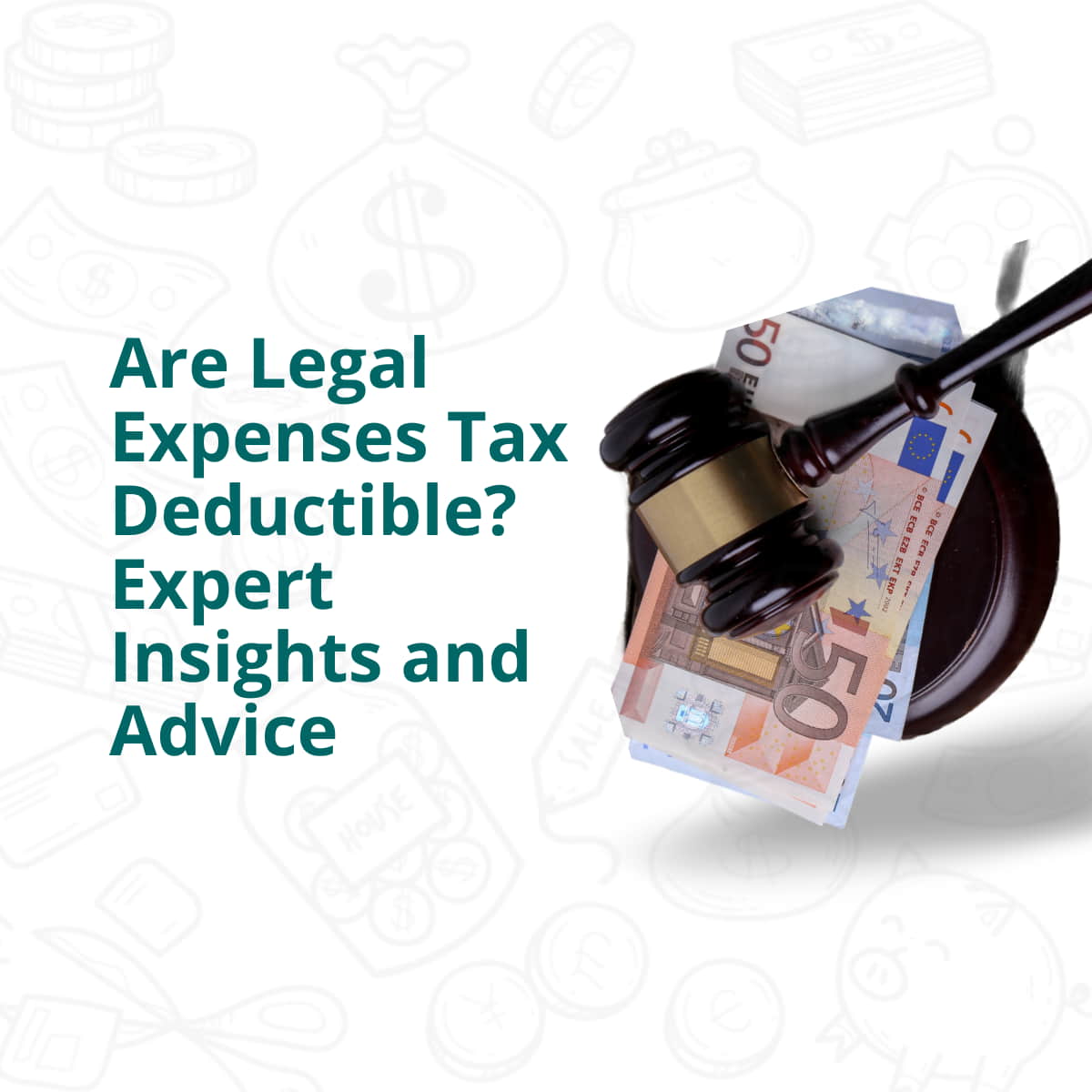
Are Legal Expenses Tax Deductible? Expert Insights and Advice

When it comes to taxes, we’re always looking for ways to reduce our bill. One question that often comes up is: are legal expenses tax deductible? Whether you’re an individual or a business owner, understanding the deductibility of legal fees can help you make smarter decisions about your tax strategy. In this expert guide, you’ll learn about the differences between individual and business deductions, common types of deductible legal fees, and how to handle tricky situations. We’ll also provide expert insights to help you navigate the complexities of claiming legal expenses on your tax return. Legal Expenses for Individuals vs. Businesses Individual Taxpayer Considerations As an individual taxpayer, you can only claim legal expenses as a deduction if there is a clear connection to deriving assessable income. For instance, legal fees related to an investment property may be deductible. However, legal costs of a personal nature are generally not deductible. Business Entity Deductions When legal expenses are incurred concerning the operation of a business to produce assessable income, they are generally allowable as a deduction. However, exceptions apply if the legal fee is capital, domestic or private in nature, specifically excluded by tax legislation, or incurred in earning exempt or non-assessable non-exempt income. Differences in Deductibility The deductibility of legal expenses differs significantly between individuals and businesses. While businesses can deduct a wide range of legal costs related to their operations, individuals face stricter limitations. Some legal expenses made deductible for individuals under specific tax provisions include: Preparation of income tax returns Disputing tax assessments Obtaining professional tax advice Preparation of lease documents Certain borrowing and mortgage discharge expenses In contrast, businesses can deduct legal costs for various activities like negotiating employment contracts, defending legal actions, arbitration, recovering misappropriated funds, and protecting trademarks, subject to certain conditions. Common Deductible Legal Expenses As a business owner, there are several common legal expenses that you may be able to claim as tax deductions. Let’s explore some of these scenarios: 1. Tax-Related Legal Costs You can deduct legal fees related to tax matters, such as: Preparing and filing your income tax returns Disputing or appealing tax assessments Obtaining professional tax advice These expenses are directly related to your business’s tax compliance and can be deducted as ordinary operating costs. 2. Business Lease Expenses If you lease a commercial property for your business operations, the legal costs associated with negotiating and drafting the lease agreement are generally deductible. This includes fees paid to lawyers or real estate professionals for their services in preparing the lease documents. 3. Debt Recovery and Business Protection In certain situations, legal expenses incurred for debt recovery or protecting your business interests may be deductible. These can include: Recovering unpaid debts from customers or clients Defending legal actions against your business Pursuing claims for misappropriated funds or intellectual property infringement Opposing developments that could adversely impact your business operations However, it’s crucial to maintain detailed records and documentation to substantiate these expenses and demonstrate their connection to your business’s income-earning activities. When it comes to deducting legal expenses, it’s essential to understand the specific rules and regulations that apply to your business. Consulting with a tax professional can help ensure you maximize your deductions while remaining compliant with tax laws. Navigating Complex Legal Expense Scenarios While the general principles of deductibility provide guidance, certain situations can be more complex when it comes to claiming legal expenses on your tax return. Here are some key areas to consider: 1. Valuation and Property Matters You can claim a deduction for expenses incurred in managing your tax affairs, such as the cost of lodging through a registered agent. Deductible costs include preparing and lodging tax returns, activity statements, buying tax reference materials, taking tax preparation courses, getting advice from recognized tax advisers, dealing with the ATO, and using tax software. If you own an investment property, you can deduct legal fees related to debt collection or tenant disputes. Additionally, expenses incurred when selling the property, such as legal fees, advertising, and agent fees, are deductible. 2. Employment Disputes The deductibility of legal expenses related to employment disputes is determined by the connection between the expenses and the income-earning activities. In cases like Commissioner of Taxation v Shane Day and Romanin v Commissioner of Taxation, legal costs incurred in defending employment-related charges or disputes were found deductible as they were sufficiently connected to the taxpayer’s employment income. However, the ATO has previously disallowed deductions for legal expenses incurred in seeking better redundancy packages or lump sum termination payments, as these were considered capital amounts compensating for the loss of income-earning ability. The ATO’s position has since evolved, and in certain cases, such legal costs may be deductible if they relate to enforcing contractual entitlements. 3. Defending Business Reputation Tax issues can significantly impact a company’s reputation, making it crucial to communicate and manage tax affairs carefully. Businesses should set clear tax planning policies, decide on appropriate transparency levels, understand stakeholder expectations, engage in relevant tax debates, and stay updated on tax policy developments to avoid surprises. Defending a business’s reputation may involve legal expenses, which could be deductible if they are incurred in producing assessable income. However, the deductibility depends on the specific circumstances and the connection between the legal costs and the income-earning activities. Confused about legal expense deductions? Navigating the complexities of legal expense deductions can be challenging, but you don’t have to do it alone. As Perth’s leading tax consultants, we’re here to help you maximize your deductions while ensuring full compliance with Australian tax laws. Whether you’re an individual or business owner, our expert team can help you maximize deductions while staying compliant with Australian tax laws. To take more control of your finances, book an appointment with Perth’s premier tax experts and optimize your tax strategy. Click here to schedule your consultation. Let’s make your tax deductions work harder for you.

Learn More

Can You Claim Parking on Tax? Expert Advice and Tips

For many Australian workers and business owners, parking fees are a regular part of our professional life. But can you claim these parking costs on your tax returns? In this guide, we will delve into the ins and outs of claiming parking expenses on your Australian tax return. We’ll explore when parking is tax-deductible, the conditions you need to meet, and how to properly document your claims. Whether you’re an employee, self-employed, or a business owner, understanding these rules can help you maximize your tax return while staying compliant with ATO regulations. Eligibility for Parking Tax Deductions You can claim a deduction for parking fees and tolls incurred when using your car or other vehicle for work-related purposes. However, there are specific eligibility criteria and conditions to consider. Who Qualifies? You can claim parking expenses if the trip is directly related to your employment duties, such as traveling between work sites or attending meetings. However, you cannot claim a deduction for parking at or near your regular place of work, as these are considered private expenses. Similarly, tolls incurred during your regular commute between home and work are not deductible. Types of Eligible Parking Expenses Work-related parking fees: If you need to park your vehicle while performing work duties away from your regular workplace, such as visiting clients or attending conferences, the parking fees are tax-deductible. Tolls for work trips: Any tolls paid while traveling for work-related purposes, such as driving to a temporary work site or attending a business meeting, can be claimed as a deduction. Vehicle repair costs: If you are involved in an accident while using your vehicle for work and are liable for damages, you may be able to claim a deduction for the repair costs and compensation paid for the other vehicle’s damage. It’s important to note that certain expenses are not eligible for deductions, such as: Fines or penalties incurred while traveling for work, including parking and speeding fines. Costs associated with obtaining or renewing a regular driver’s license, as these are considered personal expenses. However, if you incur additional costs to obtain a special license or endorsement required for your job, such as a heavy vehicle permit, those expenses may be deductible. Documentation Required for Claiming Parking on Tax To claim parking fees and tolls as tax deductions, you need to maintain proper documentation and records. Here’s what you need to keep: What to Keep Receipts and documents: Keep copies of all receipts or other documents that show the parking fees and tolls you incurred for work-related travel. These receipts serve as proof of the expenses you are claiming. Evidence of work-related travel: Maintain evidence or provide an explanation of how the parking or toll expenses were related to travel undertaken in the course of performing your employment duties. This could include details of the work-related trip, such as the purpose, destination, and dates. Logbook or diary: If you use your vehicle for both work and personal purposes, you need to maintain a logbook or diary that itemizes your work-related trips. This will help you determine the portion of the expenses that are deductible. Calculation of work-related portion: Keep details of how you calculated the portion of the parking or toll expenses that were related to your work. This is particularly important if the expenses were incurred for both work and personal purposes. How Long to Retain Records It’s crucial to retain these records for at least five years after submitting your tax return. This is because the Australian Taxation Office (ATO) may conduct audits and request supporting documentation to verify your claims. Keeping accurate and complete records will ensure you can substantiate your deductions if required. Claiming Parking Expenses: A Step-by-Step Guide To claim parking fees and tolls as tax deductions, follow these steps: Gather receipts and documents: Collect all receipts or other documents that show the parking fees and tolls you incurred for work-related travel. These receipts serve as proof of the expenses you are claiming. Maintain evidence of work-related travel: Keep evidence or provide an explanation of how the parking or toll expenses were related to travel undertaken in the course of performing your employment duties. This could include details of the work-related trip, such as the purpose, destination, and dates. Calculate work-related portion: If you use your vehicle for both work and personal purposes, determine the portion of the parking or toll expenses that were related to your work. Maintain a logbook or diary that itemizes your work-related trips to help with this calculation. File your tax return: When filing your tax return, claim the eligible parking fees and tolls as work-related travel expenses, not as car expenses. Filing Electronically vs. Paper Filing You can claim your parking expenses when filing your tax return electronically or through a paper form. Many tax software programs and online platforms have dedicated sections for entering work-related travel expenses, including parking fees and tolls. If filing a paper return, you’ll need to include the details of your parking and toll expenses in the appropriate section for work-related travel expenses. Common Mistakes to Avoid To ensure you claim your parking expenses correctly, avoid these common mistakes: Claiming parking expenses at or near your regular workplace, as these are considered private expenses. Claiming tolls incurred during your regular commute between home and work. Forgetting to maintain proper documentation, such as receipts and logbooks. Claiming fines or penalties, including parking and speeding fines, as these are not deductible. Claiming the cost of obtaining or renewing a regular driver’s license, as this is a personal expense. By following these steps and avoiding common pitfalls, you can accurately claim your eligible parking expenses on your tax return and potentially maximize your deductions. Expert Tips on Maximizing Parking Tax Deductions To maximize your parking tax deductions, it’s crucial to maintain meticulous records and follow the Australian Taxation Office (ATO) guidelines. Here are some expert tips to help you get the most out of your claims: Keep a detailed

Learn More

What to Bring to a Tax Appointment: A Complete Checklist

Knowing exactly what to bring to a tax appointment can save you both time and stress, making the process smoother and more efficient. Your preparation can impact the accuracy of your income tax return, the speed of lodging it, and even the size of your tax refund. In this guide, we outline the key documents and information you need to have at your fingertips when meeting with your accountant or tax agent. From the basics like your tax file number (TFN) and PAYG Payment Summaries to more complex paperwork such as income statements from various income streams, expenses for deductions, tax offsets, superannuation contributions, and any relevant tax incentives. Whether you’re self-employed, have multiple sources of income, or need to account for work-related expenses and tax deductions, we’ve got you covered. Required Documents To ensure a smooth tax return filing process, you’ll need to have several essential documents readily available. Here’s a comprehensive checklist of what you should bring to your tax appointment: Personal Identification Your tax file number (TFN) Photo ID (driver’s license, passport, or government-issued ID) Previous Year’s Tax Return A copy of your previous year’s tax return can provide valuable context and help your accountant identify any changes in your financial situation. Income Statements Payment summaries or income statements from all employers, including details of salary, wages, allowances, bonuses, and any other compensation received. Centrelink payment summaries, if applicable. Bank statements or records of interest earned on savings accounts or investments. Dividend statements for any shareholdings. Records of rental income, if you own an investment property. Receipts for Deductions Work-related expenses, such as union fees, professional subscriptions, home office costs, and motor vehicle expenses. Investment-related expenses, like property management fees, interest on investment loans, and financial advisor fees. Receipts for any charitable donations or contributions made throughout the year. Records of any income protection insurance premiums paid. Receipts for self-education expenses related to your current employment. Having these documents organized and readily available will not only streamline the process but also ensure that your tax return accurately reflects your financial situation, maximizing potential deductions and minimizing the risk of errors or omissions. Income Documentation To accurately report your income for tax purposes, you’ll need to gather documentation for various income sources. Here’s what you should bring to your tax appointment: Wages and Salary Income Statement or PAYG Payment Summary: Your employer will provide you with an income statement if they report through Single Touch Payroll (STP), or a PAYG payment summary if they don’t. These documents detail your salary, wages, allowances, tax withheld, and superannuation contributions for the financial year. Bank statements: If you don’t have an income statement or payment summary, provide copies of your bank statements showing deposits from your employer. Payslips: Copies of your payslips can also help verify your income and tax withheld. Government Payments Provide documentation for any taxable Australian Government allowances, pensions, or payments you received during the financial year, including details of any overpayments you have repaid. Investment Income Interest Income: Gather statements from financial institutions showing interest earned on your accounts, term deposits, and any interest from children’s accounts you operate. Dividend Statements: Obtain dividend statements from Australian companies detailing dividends paid or distributions made to you during the income year, including those reinvested under a dividend reinvestment plan or received as bonus shares. Business Income If you operate a business, the documentation required depends on your business structure: Sole Trader: Lodge an individual tax return, including a supplementary section for your business income and expenses. Partnership: The partnership lodges a tax return reporting the net income, and you report your share of the partnership income on your individual tax return. Trust: The trustee lodges a trust tax return, and you report any income received from the trust on your individual tax return. Company: The company lodges a company tax return, separate from your personal income. Remember, even if your business hasn’t earned any income, you still need to lodge a tax return if you carried on a business during the financial year. Expense Documentation To accurately claim deductions and maximize your tax refund, you’ll need to provide documentation for various expenses incurred throughout the financial year. Here’s what you should bring to your tax appointment: Work-Related Expenses Gather receipts or invoices for any work-related expenses, such as: Union fees Professional subscriptions Home office costs (e.g., internet, utilities, office supplies) Motor vehicle expenses (fuel, maintenance, insurance) If your total work-related expenses exceed $300, you must have written evidence for all claims. For specific expenses like vehicle usage, travel, clothing, and self-education, keep detailed records as required by the Australian Taxation Office (ATO). Charity Donations Collect receipts or written evidence for any donations made to deductible gift recipients (DGRs). Donations of $2 or more are generally tax-deductible, but you’ll need a receipt for claims over $10. If you made small cash donations (under $10) to bucket collections, you can claim a total deduction of up to $10 without receipts. Insurance and Loan Deductions Provide documentation for income protection insurance premiums paid during the financial year. If you have an investment property loan, bring statements showing the interest component, as this is tax-deductible (principal repayments are not). For other investment-related loans (e.g., margin loans), gather records of interest paid to claim deductions. Rental Property Expenses Collect receipts and invoices for expenses related to your rental property, such as: Property management fees Council rates Repairs and maintenance Insurance premiums Advertising for tenants Borrowing expenses If you co-own the property, ensure expenses are apportioned according to your legal interest. For expenses related to vacant land or personal use of the property, check the ATO guidelines for deductibility. Remember, keeping accurate and complete records is crucial for substantiating your claims and ensuring a smooth tax return process. Ready to take the stress out of tax season? Now that you know what to bring, let us handle the rest on your behalf. Our expert team provides comprehensive tax services for both individuals and businesses, ensuring you get the maximum refund you deserve while staying

Learn More
1 2

We help Australian businesses simplify tax, stay compliant, and make confident financial decisions with accounting and advisory support that’s built around their goals — not just their numbers.

Contact Us

36/328 Albany Hwy, Victoria Park, WA 6100

08 6285 8120

Mon-Fri: 9:00AM-9:00PM

Follow Us:

© KSH TAX | All Rights Reserved
Powered by KX AI